Download Brochure

PROJECTS
Site Office
Trident Parktown,
Village Nizampur & Azizullapur,
Sector 19A & 40, Panipat, Haryana 132104
Corporate Office
Trident Realty,
16th Floor, DLF Square, DLF Phase-II, Jacaranda Marg
Gurugram-122002, Haryana (India)
© TRIDENT PARKTOWN PVT LIMITED, 2026 All rights reserved
The Developer has availed a construction loan from IndusInd Bank Ltd. (‘IBL’), and has mortgaged project land admeasuring 59.77084 acres and any structures built thereon to such lender, where necessary No Objection Certificates (NOCs) shall be provided by IBL, as per requirement.
Carefully Crafted By

PROJECTS
MEDIA CENTER


Site Office
Trident Parktown, Village Nizampur & Azizullapur, Sector 19A & 40, Panipat, Haryana 132104

Corporate Office
Trident Realty, 16th Floor, DLF Square, DLF Phase-II, Jacaranda Marg Gurugram-122002, Haryana (India)
© TRIDENT PARKTOWN PVT LIMITED, 2026 All rights reserved
The Developer has availed a construction loan from IndusInd Bank Ltd. (‘IBL’), and has mortgaged project land admeasuring 59.77084 acres and any structures built thereon to such lender, where necessary No Objection Certificates (NOCs) shall be provided by IBL, as per requirement.
Carefully Crafted By


Step into a world of exclusivity where wellness meets celebration. Live beyond your dreams with an extravagant club lifestyle

How Integrated Townships Support Multi-Generational Living
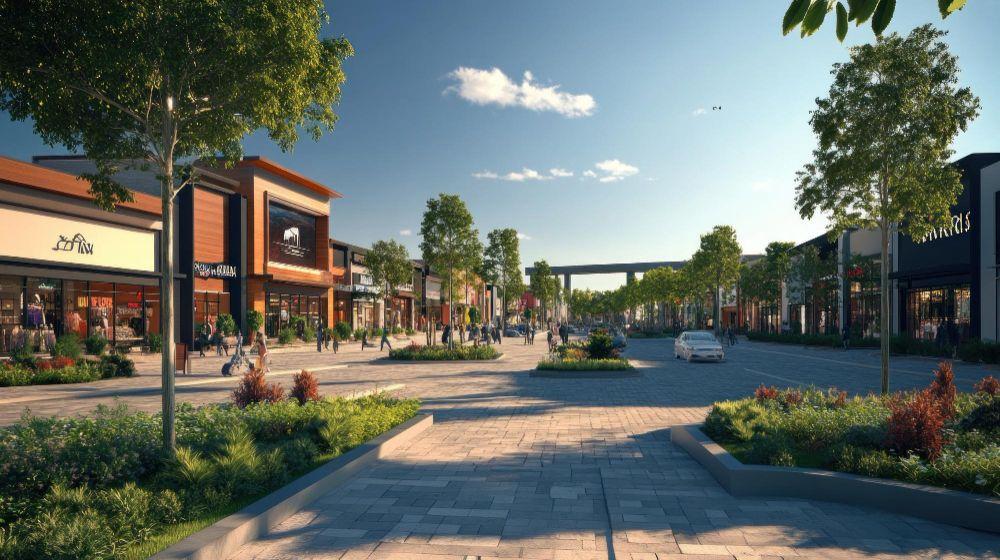
At six in the evening, three members of the same family may want entirely different things from their neighbourhood. A child wants to cycle or find friends outdoors. A working parent needs to finish a call, collect an essential item and still reach home for dinner. A grandparent might want a walk, some company, and the confidence of knowing rest and assistance are close by.
The Everyday Advantages of Living Close to Essential Services
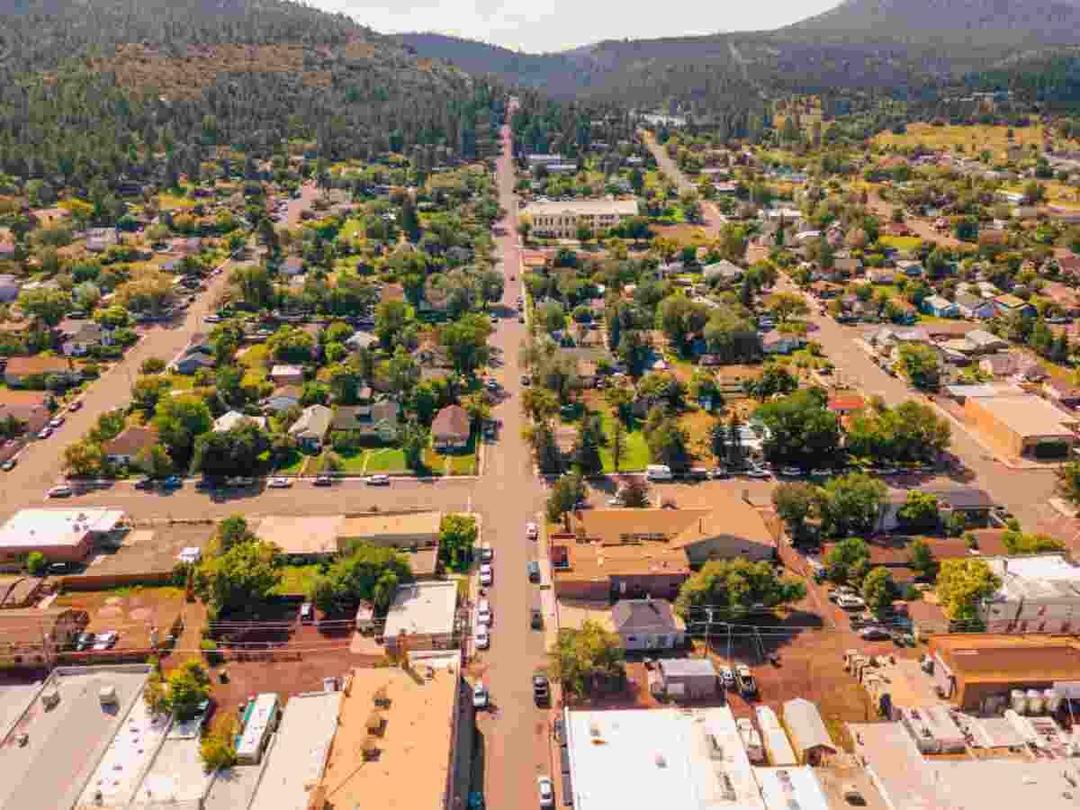
At 7.40 on a weekday morning, a family’s schedule can be undone by something very small. A school notebook has been left at home. A prescription needs refilling. There is no milk for breakfast. None of these is a crisis, yet each can trigger another drive, another parking search and another hurried call explaining a delay.
The Freedom to Build: One of Real Estate’s Most Underrated Benefits
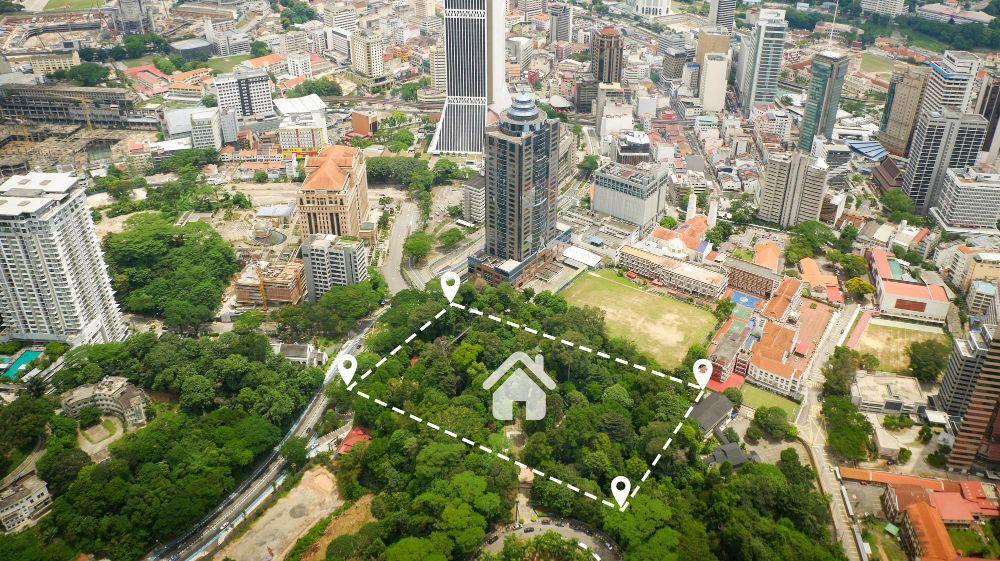
Most homebuyers begin with a floor plan someone else has already completed. The living room has been proportioned, the kitchen placed, the windows fixed, and the relationship between indoors and outdoors decided. The buyer may choose the finishes, move some furniture and personalise the walls, but the consequential architectural decisions were made long before the first site visit.

Why Open Spaces Are Critical to Long-Term Community Health
A park can look impressive in a master plan and remain almost empty in daily life. Another can become the place where children cycle after school, neighbours take an evening round, and older residents begin the day with a walk. The difference lies in whether open space has been planned as part of everyday movement.
Exploring the growing demand for residential plots in Panipat
Many regions in the Northern part of India have experienced tremendous growth in terms of real estate development over the past decade. To give an example, Panipat was one of the regions that was not popular for its real estate infrastructure, but that has changed a lot. Being close to NH-44, Panipat was only known to people because of its textile mills. However, rapid developments have taken place, and there has been a growth in demand for residential plots in Panipat. There are a number of initiatives taken by the government to improve public infrastructure in this region that have further boosted the demand for residential properties. Especially over the period of past two years, Panipat has emerged as one of the urbanised regions of North India, and many real estate developments stand testimony to this shift.

Why Walkability Is Becoming a Priority for Modern Families
A family may spend months selecting a home based on its interior layout—refining room dimensions, evaluating natural lighting, and curating finishes. Yet much of everyday family life takes place beyond the front door. It happens along the route a child takes to a play area, the path chosen for a morning jog, the distance to a nearby green space, or the evening stroll after dinner.
The Benefits of Living in a Self-Sustaining Township
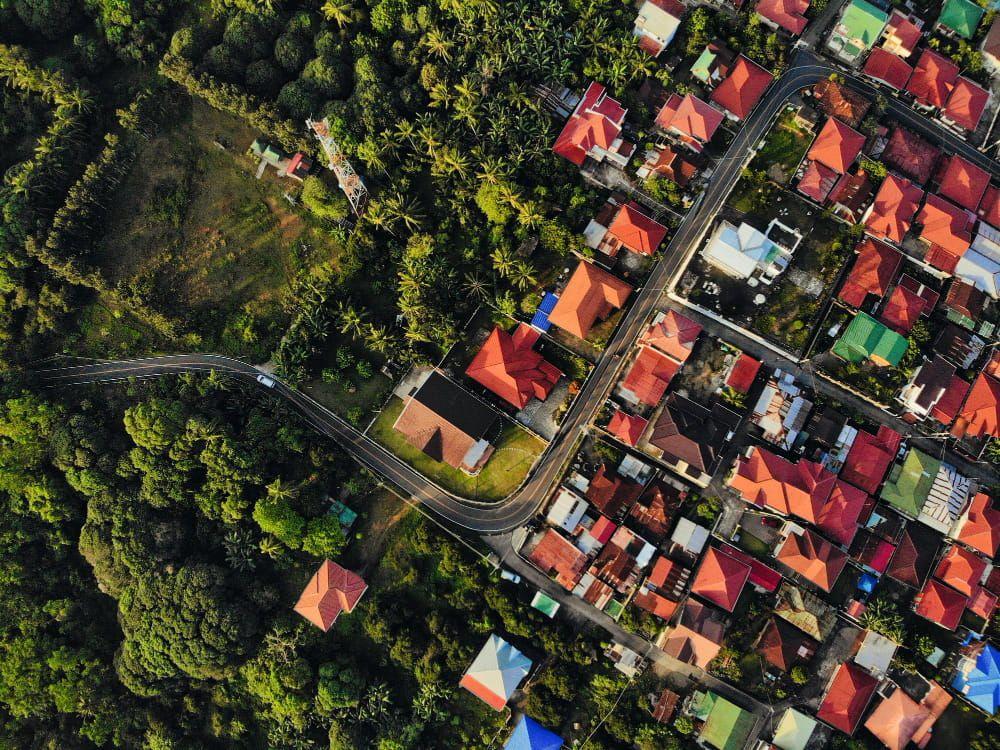
Much of modern urban life is spent travelling between destinations that were never designed to work together. A family's daily routine can often become an exercise in logistical management: travelling to school, driving to sports or recreational facilities, making separate trips for everyday needs, and navigating traffic simply to access parks or social spaces. When a residential development is planned as a cohesive, integrated environment, this daily pattern shifts. An integrated township does not try to seal residents off from the outside world; instead, it reorganises the spatial relationships among living spaces, greenery, movement corridors, recreation, and social infrastructure. By bringing key components of everyday living into a coordinated framework, a master-planned community can reduce daily friction and make some local journeys shorter and more convenient.

How Community Design Influences Children's Development
A child’s world is shaped far beyond the threshold of the family home. At the same time, interior spaces provide shelter, security, and personal sanctuary; much of childhood unfolds in the interstitial spaces of everyday life—the routes between home and school, the open lawns of a nearby park, the pedestrian paths where bikes are learned, and the public nodes where play begins spontaneously.
How Community Design Impacts Everyday Living and Well-Being
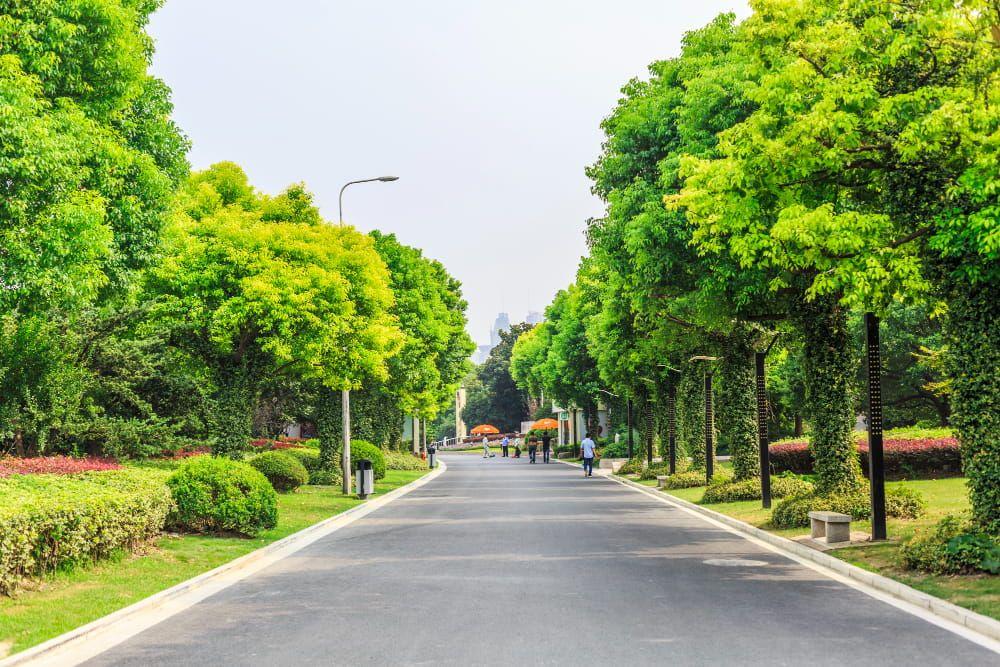
A community does not begin when neighbours introduce themselves. It begins with the spaces that make those encounters possible. Long before a resident moves in, decisions about street geometry, park placements, edge conditions, and circulation paths quietly establish the boundaries of daily experience. They dictate whether a morning walk requires crossing a busy roadway, whether a child can cycle safely to a play area, or whether meeting a neighbour happens organically or requires deliberate effort. In modern residential developments, community is often treated as a marketing promise—an abstract social atmosphere expected to emerge spontaneously once a critical mass of residents arrives. Real estate narratives often assume that placing homes in proximity automatically generates a sense of place. Urban planning history tells a different story. True community is not an accident of density. It emerges from the relationships between private dwellings, residential streets, shared landscapes, mobility networks, and social anchors. At Trident Parktown, a 125+ acre master-planned development, the community has been approached not as a hopeful byproduct of construction, but as an explicit consequence of spatial design.

Why Families Are Choosing Structured Communities Over Standalone Homes
For generations of Indian homebuyers, the pinnacle of residential achievement was remarkably straightforward: an independent standalone home built on a private parcel of land. It was a model of success rooted in absolute autonomy. To own a standalone house meant complete control over the facade, the layout, and the boundaries of one's domain. It was an expression of permanent generational wealth, free from shared walls, collective decision-making, or community oversight.
Understanding Township Planning: What Buyers Should Really Look For
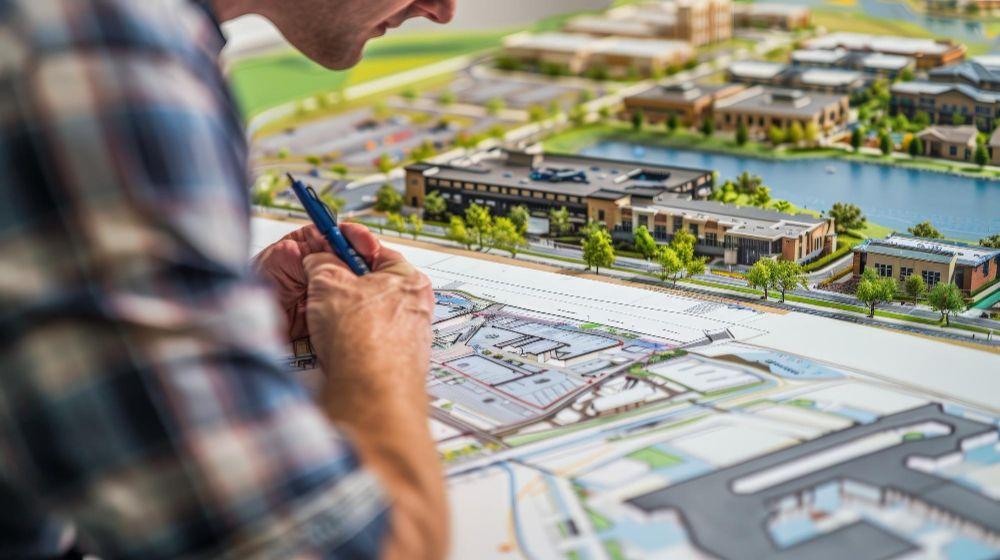
When exploring a new residential township, the initial experience is almost always curated to appeal to our visual senses. Buyers are greeted by monumental entrance archways, pristine manicured roundabouts, high-fidelity digital renders of a sprawling futuristic clubhouse, and an impeccably staged show villa. It is a compelling presentation designed to evoke a premium lifestyle.
Panipat’s Evolution: From Industrial Base to Residential Opportunity
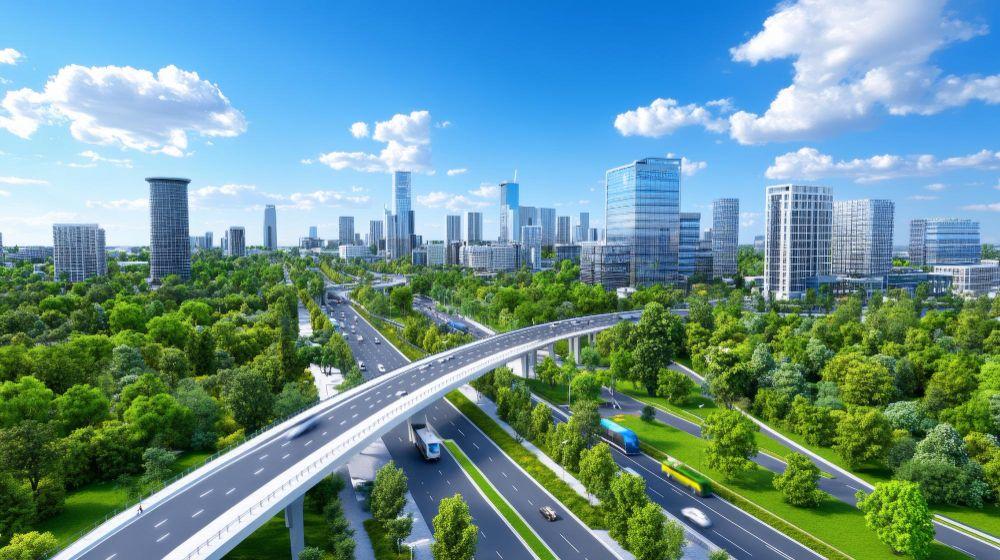
A city changes when its economic identity begins to expand. For decades, the value of Panipat was measured almost entirely by its production output. It was recognised primarily as a powerhouse of industrial manufacturing, global textile trade, and heavy refining. It was a landscape shaped by factories, logistics centres, and busy trading hubs—a place built focused on enterprise and commercial gravity.

The Hidden Risks of Unplanned Developments
When evaluating an early-stage residential project, the launch environment is carefully orchestrated to inspire confidence. Prospective buyers are presented with hyper-realistic digital walkthroughs, manicured sample units, competitive introductory pricing structures, and an impressive catalogue of promised lifestyle facilities. At this initial phase, everything appears pristine, orderly, and full of potential.

Exploring the Newest Features of the Upcoming Real Estate Projects in Panipat
For a long time, Panipat was mostly spoken about as an industrial town sitting on NH 44 somewhere between Delhi and Chandigarh that people were driven through rather than stopped in. That reputation is being rewritten now, and over the past couple of years, several branded developers have been drawn to the city and a fair amount of attention is now being paid to how these newer launches are being designed, not just where they happen to be located. Textile hubs and highway dhabas are no longer the only things Panipat is known for. Gated townships with clubhouses, padel courts, and rainwater harvesting systems are being talked about instead.
The Importance of Internal Infrastructure in Large-Scale Developments
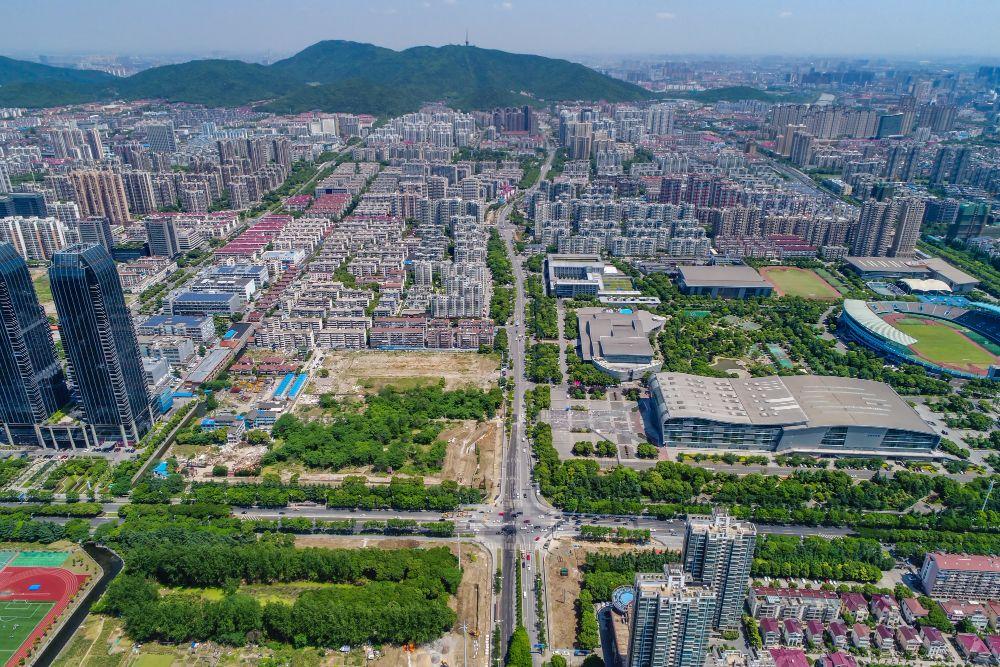
Two residential developments may appear strikingly similar during an initial site visit. Both may offer beautifully landscaped pocket parks, an impressive modern clubhouse, and highly attractive homes. Yet, five or ten years down the line, an unsettling contrast often emerges. One development continues to function flawlessly, while the other is struggling with chaotic traffic bottlenecks, waterlogging during minor monsoons, overcrowded public spaces, and rapidly declining maintenance standards. The difference almost always lies beneath the surface. Internal infrastructure—the master-planned network of roads, utility systems, zoning frameworks, and movement pathways that support everyday life—plays a critical role in determining how a development performs over the long term. In large-scale townships, engineering infrastructure is not merely a technical supporting element. It is the invisible backbone that directly dictates daily livability, convenience, safety, and asset value. For families evaluating new residential projects in Panipat, understanding what makes a community functional long after the initial construction dust has settled is key to making a truly smart property choice.
How Connectivity Corridors Like NH-44 Are Shaping Residential Growth
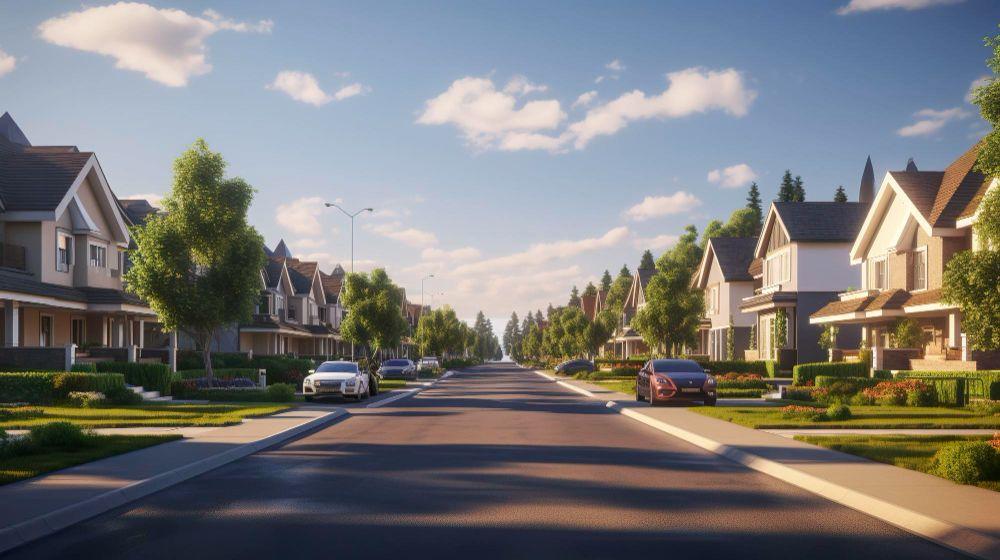
Throughout history, cities have expanded around employment centres, trade hubs, and transportation networks. Today, large-scale infrastructure corridors play an equally important role in shaping where families choose to live. As regional connectivity improves, residential growth naturally follows, shifting the boundaries of urban living outward toward better-planned spaces. Across India, major highways and economic corridors are no longer viewed simply as transport assets for commercial trucks or long-distance travellers. Instead, they are the primary lines influencing modern investment patterns, regional urban expansion, and housing demand. One clear example of this is National Highway 44 (NH-44). As India's longest national highway, it continues to strengthen connectivity among multiple growth centres in North India, notably reshaping the residential and economic landscape of Panipat.

What Daily Life Looks Like Inside a Master-Planned Township
Most homebuyers evaluate a property through site visits, floor plans, and amenity lists. Yet the true measure of a residential development reveals itself long after possession. It lies in the everyday moments that rarely appear in brochures—the morning walk, the school runs, the evening exercise routine, the ability to meet neighbours without planning, and the convenience of accessing essential facilities without leaving the community. These seemingly small experiences collectively shape the quality of life. This is where the concept of a master-planned township differs from conventional residential developments. Rather than functioning as a collection of standalone homes or dense vertical clusters, it is designed as a complete living environment where movement, recreation, social interaction, and daily convenience are considered together. For growing families, upgraders, and those looking to buy property in Panipat, real estate decisions are increasingly shifting away from isolated standalone buildings. Buyers are increasingly seeking environments that simplify everyday routines while supporting physical and mental well-being. This article explores how a thoughtfully structured integrated township in Haryana changes the rhythm of a normal day, reducing everyday friction and encouraging healthier lifestyle habits.

Plot vs Floor vs Apartment: Making the Right Choice for Your Family
Imagine this common Indian family dinner table discussion: A three-generation family is debating where to buy their next home. The grandfather fondly remembers the autonomy of a standalone house, where ownership extends across the plot and the built structure, offering greater control over how the property evolves over time. The son, an IT professional balancing remote work, leans toward a modern, high-rise apartment for its zero-maintenance lifestyle. Meanwhile, his spouse is concerned about long-term spatial freedom for their growing children and the diminishing privacy of shared walls. This dilemma highlights a critical shift in the Indian housing market. Choosing a property format is no longer just about calculating the price per square foot; it is a long-term decision that impacts a family’s daily wellness, social ecosystem, and multi-generational flexibility. With tier-2 hubs rapidly transforming, markets like Haryana are seeing a major influx of upgrading families and Non-Resident Indians (NRIs). This makes choosing between a residential plot, an independent floor, and an apartment one of the most critical financial and lifestyle decisions a family will make.
How Green Spaces Influence Mental Well-Being and Property Value
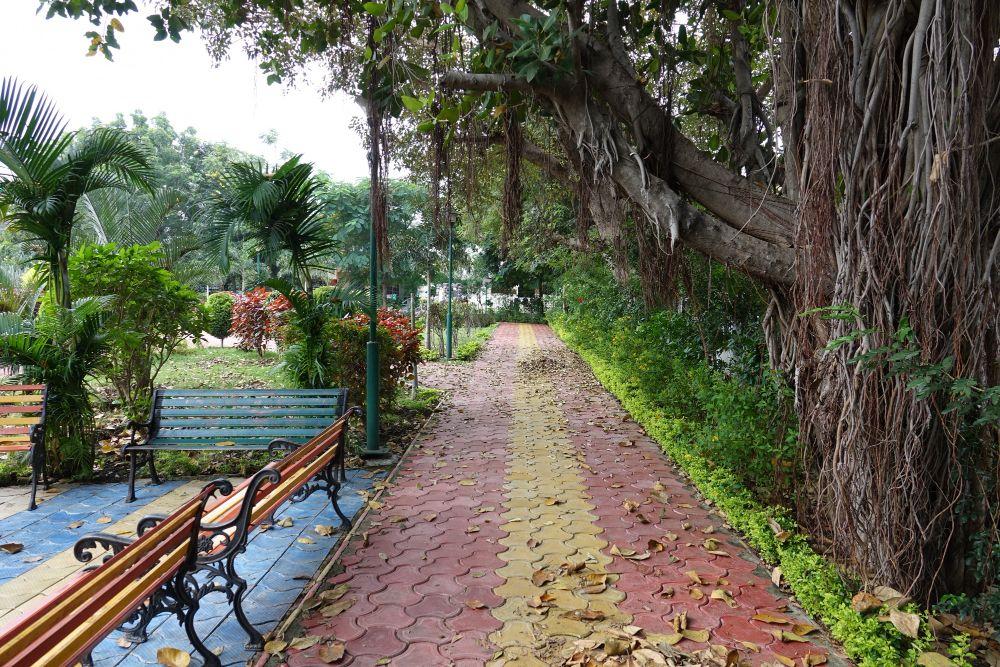
As cities grow denser and more vertical, access to nature is becoming increasingly limited. Yet human well-being continues to depend heavily on environmental balance. We are neurologically wired to exist alongside nature, yet the vast majority of urban populations live in stark, concrete-dominated environments. This urban disconnect creates profound environmental friction. Historically, developers treated landscaping as an aesthetic afterthought—a cosmetic layer applied just before project handover to enhance brochure photography. Today, that superficial approach is commercially unviable. The narrative has irrevocably shifted. Green spaces are no longer optional, decorative add-ons; they are critical urban infrastructure. They serve as measurable performance drivers that actively regulate residents' mental well-being while systematically increasing the long-term capital value of the underlying real estate.

Early Investment Advantage: Why Buying in Pre-Launch or Launch Phase Matters
The majority of real estate buyers naturally gravitate toward certainty. They wait for a completed structure, visible infrastructural progress, and the physical assurance that a project has materialised exactly as promised. While this approach effectively minimises execution risk, it severely limits financial upside. By the time a project nears completion, the asset's inherent value and future appreciation are already priced in. The core thesis of intelligent property investment is this: much of the appreciation potential is often captured before possession. In real estate, timing often matters significantly more than purchase certainty. Early-stage buying—specifically during the pre-launch or launch phase—is not merely a discount mechanism; it is a calculated capital strategy where investors take on measured risk in exchange for maximum upside and absolute choice.