Download Brochure
9 min read
2026-01-11


Share
Over the past decade, India’s residential real estate landscape has undergone a decisive shift. What once defined a “premium” home—location, price per square foot, and developer reputation—has expanded into a far more nuanced expectation.
Today’s homebuyers are not merely purchasing apartments; they are investing in lifestyle ecosystems, infrastructure reliability, and long-term asset resilience. This evolution has created a clear distinction between two dominant development models: Integrated Townships and Standalone Residential Projects.
While both formats cater to different needs, a growing preference is emerging for master-planned communities that offer a sense of urban insulation and holistic living.
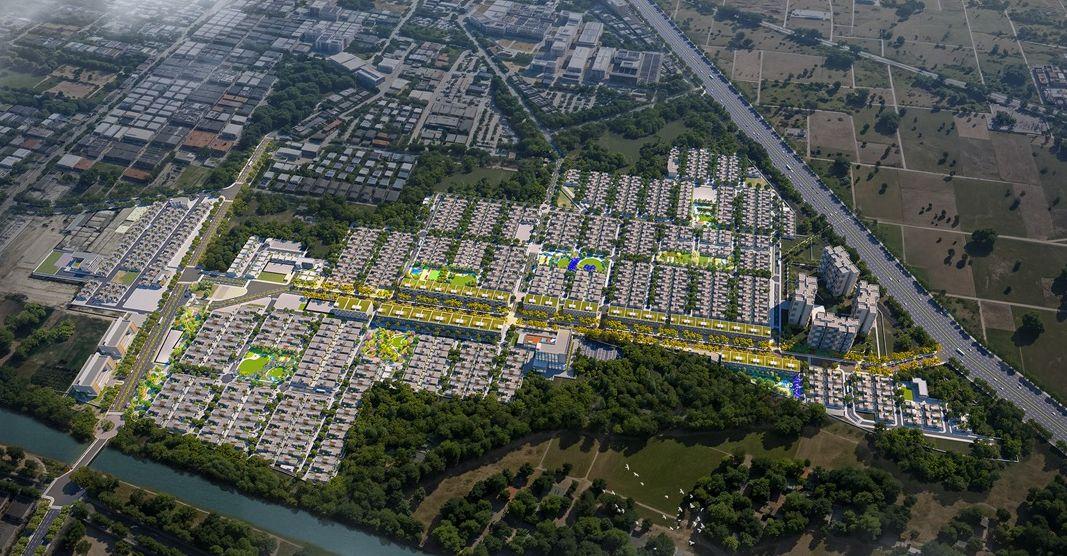
Integrated Townships are large-scale, master-planned developments designed as self-sustained ecosystems. Spread across expansive land parcels, they combine residential spaces with commercial zones, educational institutions, healthcare facilities, and internal infrastructure.
Standalone Projects, in contrast, are individual buildings or compact gated communities developed within existing urban environments. While they may offer basic amenities, they rely heavily on surrounding municipal infrastructure for daily functioning.
As urban land becomes increasingly scarce, this distinction has become central to modern homebuying decisions.
One of the most defining differences lies in the lifestyle experience. Integrated townships are built on a “live-work-play” philosophy, offering expansive green spaces, pedestrian-friendly layouts, and dedicated recreational zones.
In standalone developments, lifestyle is often limited to internal amenities. Daily activities—school runs, shopping, healthcare—require stepping into the city’s congestion.
Integrated communities, however, create self-contained environments where essential services are within walking or cycling distance, significantly reducing commute stress and improving quality of life.
Infrastructure reliability has become a critical factor for modern buyers. Integrated townships are planned as cohesive systems, incorporating advanced utilities such as:
Dedicated water management systems, power backup networks, and organised waste management solutions ensure consistent service delivery.
Standalone projects depend largely on municipal systems. Any disruption—whether water shortages or drainage issues—directly impacts residents, regardless of the building’s internal quality.
Townships, by contrast, provide a buffer against these uncertainties through controlled infrastructure environments.
Security today extends beyond gated access. Integrated townships operate with professional facility management systems, including centralised monitoring, surveillance, and organised maintenance structures.
Standalone developments are typically managed by resident associations with limited resources. While functional, they may not match the scale or efficiency of professionally governed townships.
The result is a noticeable difference in long-term upkeep, safety standards, and overall living experience.
The scale of a development directly influences its social environment. Standalone projects offer a more intimate setting but often lack diverse community engagement opportunities.
Integrated townships foster vibrant social ecosystems. Shared spaces such as parks, amphitheatres, and clubhouses act as “third spaces” where residents connect beyond home and work.
This environment encourages organic social interaction, making it especially beneficial for families and multi-generational living.
From an investment standpoint, integrated townships often command a premium due to their infrastructure, planning, and brand identity. Their “self-sustained” nature helps maintain demand even during market fluctuations.
Standalone projects, while potentially lucrative in prime urban locations, remain dependent on the surrounding neighbourhood’s growth and condition.
In essence, townships derive value internally, while standalone properties rely on external urban development.
Integrated townships are often located on city outskirts due to land requirements, which may result in longer commutes. Additionally, phased development can mean ongoing construction for early residents.
Standalone projects face limitations in space and infrastructure scalability. They contribute to urban density without significantly enhancing surrounding civic systems.
Each model presents trade-offs that must be evaluated based on individual priorities.
Modern buyers increasingly prioritise wellness, sustainability, and environmental quality. Access to green spaces, walkability, and low-density planning are no longer luxuries but expectations.
The rise of hybrid work models has further strengthened the appeal of integrated townships. Reduced commuting frequency allows buyers to prioritise living quality over central location.
Controlled environments, cleaner surroundings, and integrated amenities now outweigh the traditional advantage of city-centre proximity.
The choice between an integrated township and a standalone project ultimately depends on lifestyle needs and professional priorities.
Standalone developments suit those who value immediate access to urban centres, while integrated townships cater to buyers seeking long-term stability, community, and a balanced lifestyle.
As urban expansion continues and infrastructure demands increase, integrated townships are emerging as a future-ready housing model—offering not just homes, but complete living environments.
Blogs
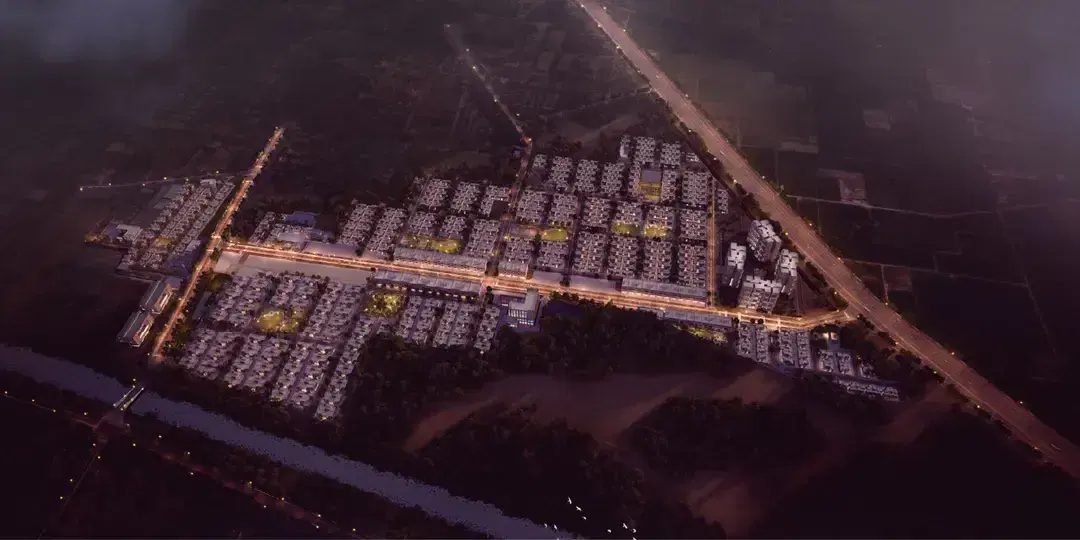
A Township Inspired by the Seven Chakras: A Life in Balance
As cities expand and lifestyles accelerate, residential planning is being challenged to balance physical comfort, mental clarity, and social continuity within everyday living.
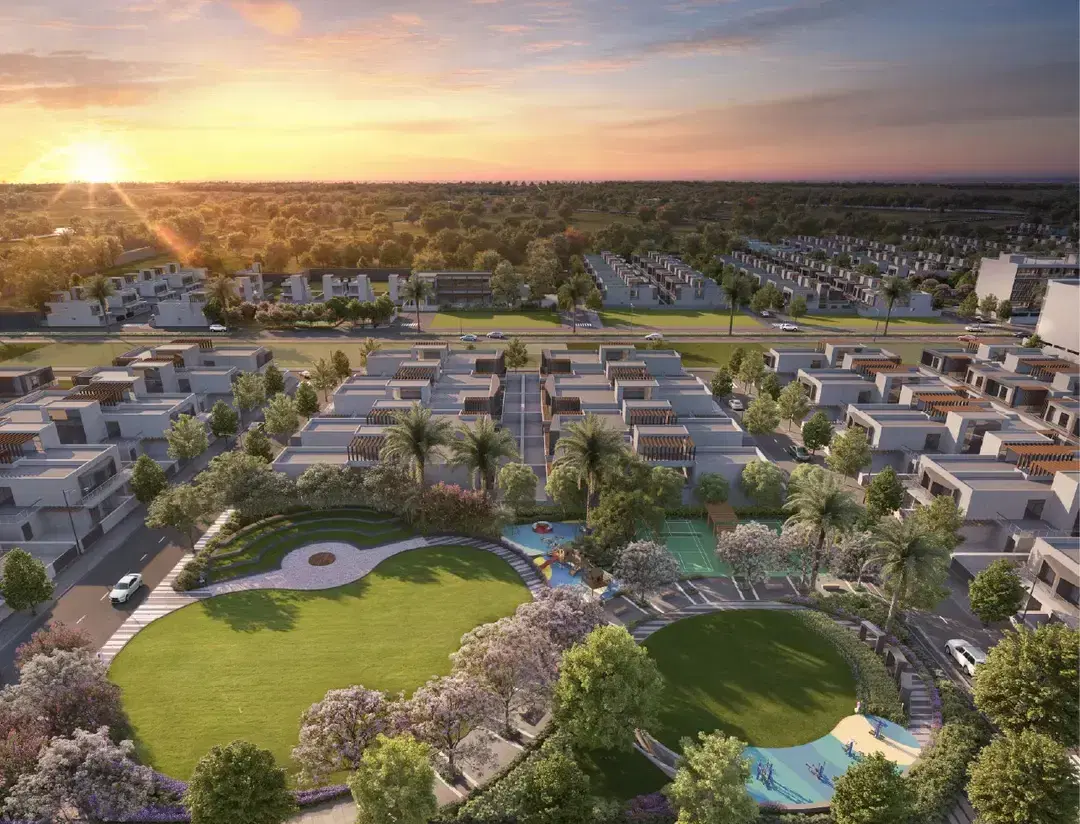
Trident Parktown: Where Nature, Nurture & Community Unite
A conscious departure from high-density urban living, Trident Parktown is shaped by a three-leaf philosophy that brings nature, nurture, and community together into a balanced way of life.
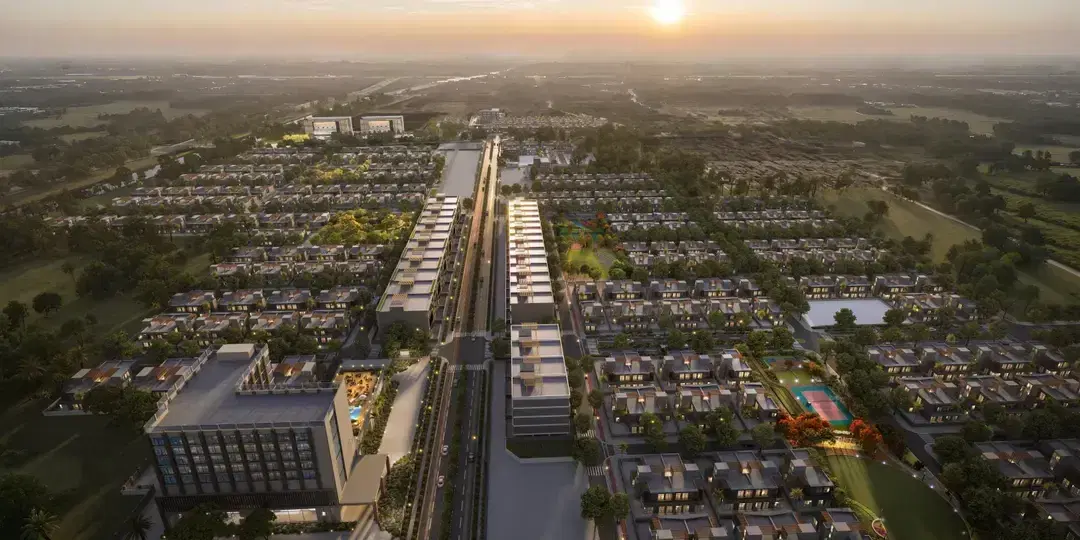
The Weight of a Promise: Trident Parktown is Now RERA Approved
In the world of real estate, a project begins long before the first brick is laid. It begins with a promise. For the discerning homebuyer, that promise is a complex tapestry woven from architectural vision, lifestyle aspirations, and—most importantly—trust.

PROJECTS
Site Office
Trident Parktown,
Village Nizampur & Azizullapur,
Sector 19A & 40, Panipat, Haryana 132104
Corporate Office
Trident Realty,
16th Floor, DLF Square, DLF Phase-II, Jacaranda Marg
Gurugram-122002, Haryana (India)
© TRIDENT PARKTOWN PVT LIMITED, 2026 All rights reserved
The Developer has availed a construction loan from IndusInd Bank Ltd. (‘IBL’), and has mortgaged project land admeasuring 59.77084 acres and any structures built thereon to such lender, where necessary No Objection Certificates (NOCs) shall be provided by IBL, as per requirement.
Carefully Crafted By

PROJECTS
MEDIA CENTER


Site Office
Trident Parktown, Village Nizampur & Azizullapur, Sector 19A & 40, Panipat, Haryana 132104

Corporate Office
Trident Realty, 16th Floor, DLF Square, DLF Phase-II, Jacaranda Marg Gurugram-122002, Haryana (India)
© TRIDENT PARKTOWN PVT LIMITED, 2026 All rights reserved
The Developer has availed a construction loan from IndusInd Bank Ltd. (‘IBL’), and has mortgaged project land admeasuring 59.77084 acres and any structures built thereon to such lender, where necessary No Objection Certificates (NOCs) shall be provided by IBL, as per requirement.
Carefully Crafted By