Download Brochure

PROJECTS
Site Office
Trident Parktown,
Village Nizampur & Azizullapur,
Sector 19A & 40, Panipat, Haryana 132104
Corporate Office
Trident Realty,
16th Floor, DLF Square, DLF Phase-II, Jacaranda Marg
Gurugram-122002, Haryana (India)
© TRIDENT PARKTOWN PVT LIMITED, 2026 All rights reserved
The Developer has availed a construction loan from IndusInd Bank Ltd. (‘IBL’), and has mortgaged project land admeasuring 59.77084 acres and any structures built thereon to such lender, where necessary No Objection Certificates (NOCs) shall be provided by IBL, as per requirement.
Carefully Crafted By

PROJECTS
MEDIA CENTER


Site Office
Trident Parktown, Village Nizampur & Azizullapur, Sector 19A & 40, Panipat, Haryana 132104

Corporate Office
Trident Realty, 16th Floor, DLF Square, DLF Phase-II, Jacaranda Marg Gurugram-122002, Haryana (India)
© TRIDENT PARKTOWN PVT LIMITED, 2026 All rights reserved
The Developer has availed a construction loan from IndusInd Bank Ltd. (‘IBL’), and has mortgaged project land admeasuring 59.77084 acres and any structures built thereon to such lender, where necessary No Objection Certificates (NOCs) shall be provided by IBL, as per requirement.
Carefully Crafted By
9 min read
2026-05-07



Share
Imagine this common Indian family dinner table discussion: A three-generation family is debating where to buy their next home. The grandfather fondly remembers the autonomy of a standalone house, where ownership extends across the plot and the built structure, offering greater control over how the property evolves over time. The son, an IT professional balancing remote work, leans toward a modern, high-rise apartment for its zero-maintenance lifestyle. Meanwhile, his spouse is concerned about long-term spatial freedom for their growing children and the diminishing privacy of shared walls.
This dilemma highlights a critical shift in the Indian housing market. Choosing a property format is no longer just about calculating the price per square foot; it is a long-term decision that impacts a family’s daily wellness, social ecosystem, and multi-generational flexibility.
With tier-2 hubs rapidly transforming, markets like Haryana are seeing a major influx of upgrading families and Non-Resident Indians (NRIs). This makes choosing between a residential plot, an independent floor, and an apartment one of the most critical financial and lifestyle decisions a family will make.

Before diving into costs and appreciation figures, it is essential to define what each property format offers to an Indian household.
Residential Plots: The Blueprint of Ultimate Control
A residential plot represents pure land ownership. When you buy a residential plot in Panipat, you purchase a piece of earth within defined boundaries, along with the air rights above it.
• The Reality: You are completely responsible for the construction timeline, architectural layouts, and material quality. It is a blank canvas.
• The Shift: Historically, buying standalone plots often involved challenges related to infrastructure readiness, utility connections, maintenance, and long-term security. However, organised, planned townships have transformed this experience by combining individual ownership with professionally planned infrastructure.
Independent Floors: The Middle Ground
Independent floors are low-rise residential buildings where each floor is owned and occupied by a separate family.
• The Reality: This format attempts to bridge the gap between a plot and an apartment. It offers the privacy of having no immediate neighbours on your level, along with shared land ownership (an undivided share of the land) with the other floor owners.
• The Challenge: While popular in regions like Delhi-NCR, independent floors often lack dedicated long-term maintenance. They can also lead to disputes over shared spaces, such as the stilt parking area or the terrace.
Apartments: The Compact, Vertical Lifestyle
Apartments are standard units within mid-rise or high-rise complexes.
• The Reality: The buyer owns the interior space of the unit, while the structural shell, land, and all common amenities are owned collectively by the Residents Welfare Association (RWA).
• The Trade-off: It offers a highly predictable, hands-off living experience. However, it completely restricts your ability to expand or structurally modify the property as your family grows.
To guide your asset selection, let’s evaluate how these three asset types perform across key operational and financial metrics.
Cost of Ownership & Financial Entry Barrier
The initial purchase price of an apartment or an independent floor includes construction costs. A plot, conversely, splits your capital expenditure into two distinct phases: land acquisition and subsequent construction.
According to research by Anarock Property Consultants, plotted developments often offer greater flexibility in capital deployment because buyers can separate land acquisition from construction expenditure and build according to their own timeline. A plot allows you to lock in the land value immediately, while you can pace the construction costs based on liquidity and personal timelines. Furthermore, independent floors and apartments often come with recurring, escalating monthly maintenance costs and hidden super-built-up area loads that can range from 20% to 35%.
Space, Structural Flexibility, and Future Expansion
A multi-generational Indian family is dynamic. A home that fits a toddler today must accommodate a young adult with distinct space requirements a decade from now.
• Apartments & Floors: These have fixed layouts. If you require an extra home office or an additional bedroom for ageing parents, your only option is to sell and relocate.
• Plots: Plots generally offer the highest level of design flexibility, subject to local building regulations and township guidelines.
Privacy vs. Community Living
While high-rise apartments offer shared spaces, they often compromise acoustic and visual privacy due to shared walls and corridors. Independent floors improve on privacy but often lack the expansive infrastructure needed for an active lifestyle.
The modern preference has shifted toward communities designed around wellness-oriented planning and walkability. Families are increasingly looking for environments that promote physical and mental well-being through pedestrian-friendly internal roads, dedicated jogging paths, and shared spaces that encourage social interaction without crowding personal living zones.
Maintenance and Operational Responsibilities
The administrative overhead of managing a home is a major consideration for working professionals and NRIs:
| Feature / Metric | Residential Plot (Planned Township) | Independent Floor | High-Rise Apartment |
|---|---|---|---|
| Initial Capital Load | Moderate (Land only) | High (Land + Structure) | High (Built-up space) |
| Space Customization | Absolute freedom | Zero (Interior cosmetic only) | Zero (Interior cosmetic only) |
| Privacy Levels | Highest (No shared walls) | Moderate (No side neighbours) | Low (Shared walls & corridors) |
| Maintenance Effort | Managed by Township RWA | High personal coordination | Managed by Complex RWA |
| Future Expansion | Highly vertical expansion is possible | Completely restricted | Completely restricted |
From a wealth creation perspective, land and built structures behave very differently over time.
The Dynamics of Asset Depreciation
While land often benefits from location-driven appreciation, buildings require ongoing maintenance and experience physical ageing over time. The overall property value depends on the combined performance of both components.
National Housing Bank (NHB) RESIDEX data reveals a consistent trend across India: plotted land values appreciate faster than vertical apartments in the same micro-market. This divergence is largely due to the lifecycle of apartments, which begin depreciating upon completion. As structural maintenance costs mount after 15 to 20 years, an apartment's market appeal often diminishes.
Velocity of Capital Appreciation
In secondary markets, selling an older apartment can be challenging because buyers often prefer newer projects with modern finishes. Conversely, a plot retains its raw utility value. A buyer purchasing a plot in the resale market is buying a clean slate, unaffected by the architectural choices or wear and tear of a previous owner. For those looking to buy a plot in Panipat, Haryana, this dynamic provides strong downside protection and reliable long-term liquidity.
The historical drawback of buying raw land was the lack of infrastructure. Homeowners often had to deal with delayed electricity connections, unpaved roads, and unreliable security. This structural gap has driven a significant shift in Indian consumer behaviour.
Market reports from Knight Frank India highlight a clear trend: urban buyers are increasingly choosing plots in organised, integrated townships over isolated high-rise apartments or unorganised standalone plots. This shift is especially evident among families seeking premium housing projects in Panipat.

This model provides a compelling balance for modern families. It delivers the clear title, security and premium infrastructure of a luxury high-rise, while preserving the autonomy, privacy, and long-term appreciation of independent land ownership.
Your choice ultimately depends on your family's current lifecycle stage and long-term goals:
The Growing Multi-Generational Family
If you live with ageing parents and growing children, a plot within a managed community is often the most practical choice. It allows you to design accessible ground-floor spaces for grandparents while building distinct upper levels for the younger generation. It also offers a balanced lifestyle in which senior citizens can enjoy safe, walkable neighbourhoods without navigating high-rise elevators or busy city traffic.
The Strategic Real Estate Investor & NRI Category
For NRIs looking to invest in property in Panipat, plots in organised developments offer a highly secure, low-maintenance alternative to apartments. Managing a tenant in a vertical apartment from abroad can require significant administrative effort, and the property can experience wear and tear. A plot within a professionally managed township generally requires lower day-to-day oversight compared to a leased residential unit, while offering flexibility on when to build.
The Grand Trunk (GT) Road corridor, particularly the stretch running through Panipat and Haryana, has emerged as a key focus area for residential real estate investment. Driven by infrastructure improvements such as the expansion of regional rapid transit and upgraded industrial corridors, tier-2 cities are rapidly modernising.
For buyers exploring options in this region, projects like Trident Parktown in Panipat demonstrate how modern town planning is evolving. Moving away from standard, high-density housing layouts, the focus has shifted toward creating thoughtfully planned neighbourhoods. These developments prioritise social, physical, and mental well-being through integrated daily conveniences, active recreational spaces, and pedestrian-first layouts.
Investing in a residential plot within a master-planned township such as Trident Parktown allows families to secure infrastructure, community amenities, and long-term development quality today while retaining the flexibility to design and build their home according to future requirements.
Choosing between a plot, an independent floor, and an apartment ultimately depends on your family's priorities, lifestyle preferences, and long-term goals. Apartments offer convenience and managed living, while independent floors provide a balance between privacy and community. Plotted developments, particularly within professionally planned townships, offer the flexibility to design, expand, and personalise a home over time while benefiting from organised infrastructure and community amenities.
For families seeking long-term adaptability, stronger land ownership benefits, and a wellness-oriented living environment, integrated plotted townships such as Trident Parktown present a compelling option. They combine the freedom of independent ownership with the security, infrastructure, and lifestyle advantages of a professionally managed community.
Blogs
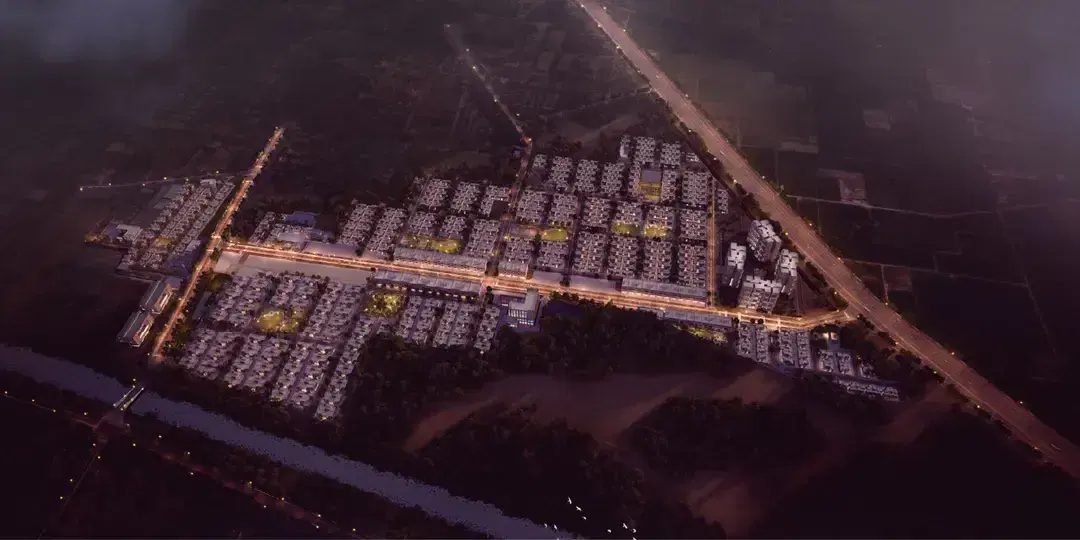
A Township Inspired by the Seven Chakras: A Life in Balance
As cities expand and lifestyles accelerate, residential planning is being challenged to balance physical comfort, mental clarity, and social continuity within everyday living.
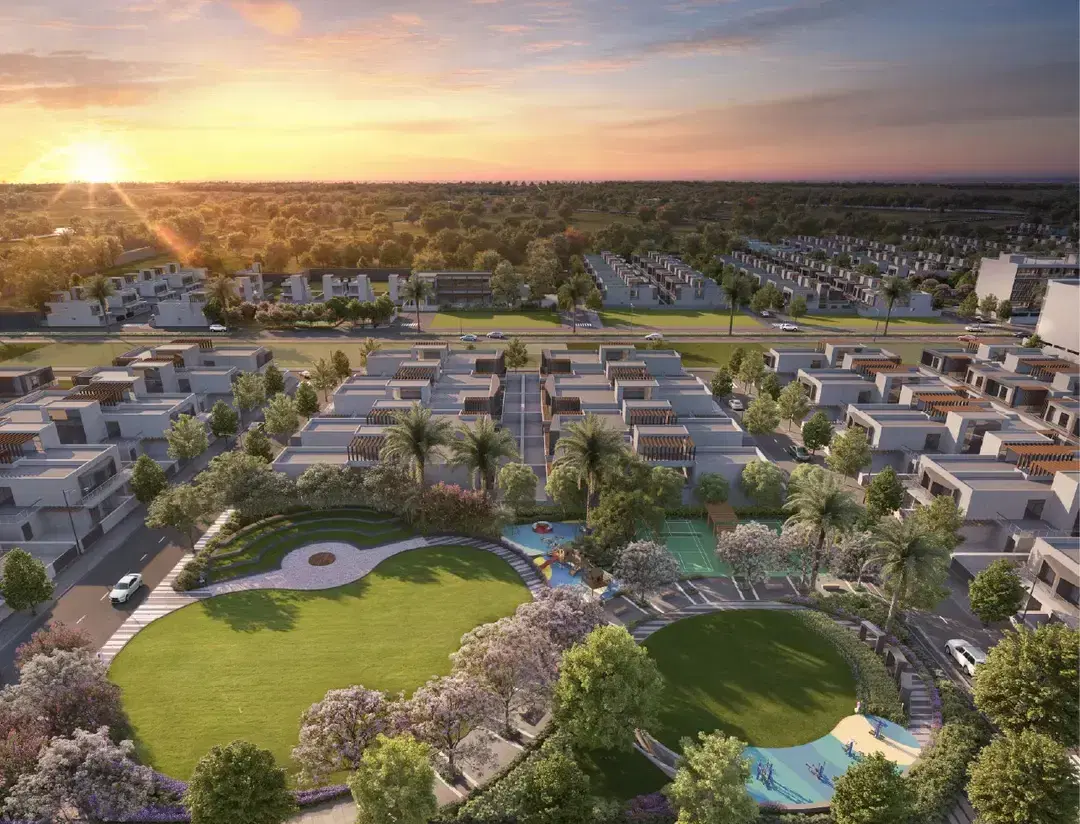
Trident Parktown: Where Nature, Nurture & Community Unite
A conscious departure from high-density urban living, Trident Parktown is shaped by a three-leaf philosophy that brings nature, nurture, and community together into a balanced way of life.
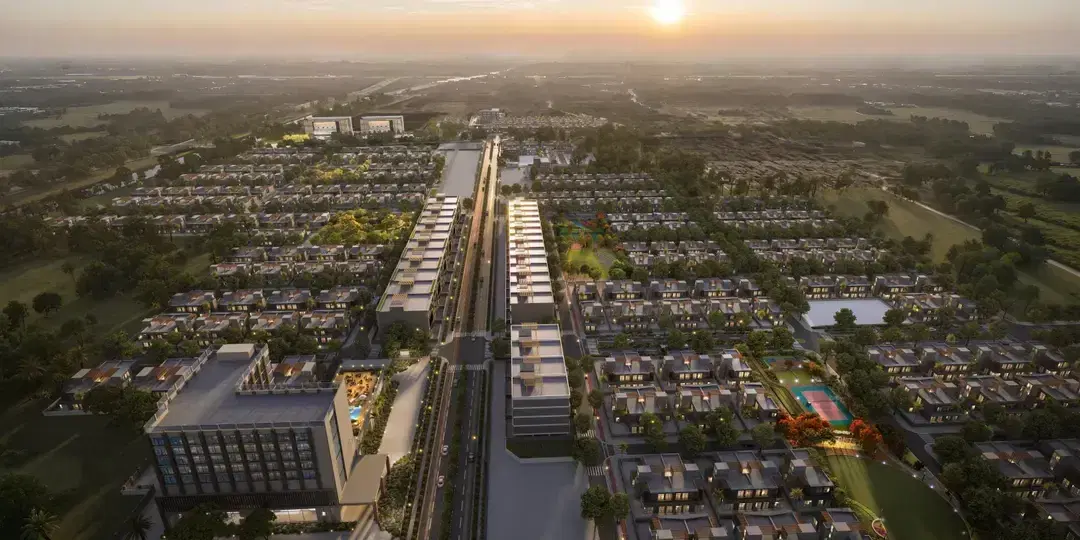
The Weight of a Promise: Trident Parktown is Now RERA Approved
In the world of real estate, a project begins long before the first brick is laid. It begins with a promise. For the discerning homebuyer, that promise is a complex tapestry woven from architectural vision, lifestyle aspirations, and—most importantly—trust.