Download Brochure
10 min read
2026-06-09



Share
When evaluating an early-stage residential project, the launch environment is carefully orchestrated to inspire confidence. Prospective buyers are presented with hyper-realistic digital walkthroughs, manicured sample units, competitive introductory pricing structures, and an impressive catalogue of promised lifestyle facilities. At this initial phase, everything appears pristine, orderly, and full of potential.
However, the structural integrity of a real estate investment is rarely determined by its launch material. The most critical vulnerabilities of a residential development are often completely invisible when the sales gallery doors open. They manifest years later, long after contracts are signed and construction concludes, when the practical mechanics of everyday life begin to test the development's boundaries.

A project can appear attractive during its launch phase yet face operational, infrastructure, or maintenance challenges over time if planning and execution are not aligned with long-term growth requirements. For long-horizon homebuyers and investors, avoiding expensive property mistakes requires looking past temporary launch hype. It requires learning how to identify the hidden systemic risks that consistently undermine unplanned or fragmented real estate developments.
To make informed property decisions, it is important to understand why unplanned developments continue to attract buyers despite their long-term structural risks. Typically, unzoned land parcels or standalone residential pockets offer an enticing short-term advantage: a significantly lower entry cost per square foot and faster transaction timelines compared to master-planned estates.
Driven by a fear of missing out on emerging suburban corridors, many buyers assume that acquiring a physical asset automatically guarantees security and capital growth. However, this assumption is incomplete.
When evaluating a project, it is important to assess whether infrastructure planning is keeping pace with anticipated growth. In rapidly developing areas, pressure on roads, utilities, and public services can increase if future demand has not been adequately considered during the planning stage.
The most immediate risk of an unplanned development is a failure of baseline civil infrastructure. During the initial sales phase, a developer may highlight extensive surface aesthetics, but remain vague about subsurface engineering networks: storm drainage, water storage capacities, electricity load grids, and waste processing networks.
According to infrastructure guidelines from the Ministry of Housing and Urban Affairs (MoHUA), standalone residential developments frequently suffer from chronic utility breakdowns because they are added piecemeal to existing municipal lines.

During periods of heavy rainfall, inadequate stormwater infrastructure can increase the risk of localised waterlogging, restricted accessibility, and additional maintenance requirements for residents. No amount of interior design or high-end finishes can compensate for an environment where the basic utilities fail to perform reliably.
In a highly regulated real estate landscape, structural and legal clarity is an absolute requirement for long-term value preservation. Yet, early-stage projects in unmapped pockets frequently bypass critical layers of due diligence to offer lower prices.
Buyers often overlook the complexities of land title tracking, zoning verification, phased development approvals, and comprehensive Real Estate Regulatory Authority (RERA) registrations. Purchasing in a project with incomplete legal clearances introduces substantial risks:
Master planning is the art of preventing logistical friction before it can disrupt daily life. In an unplanned layout, road networks are often designed simply to maximise buildable plots, ignoring the realities of vehicular and pedestrian movement. Winding internal lanes, blind corners, and a lack of dedicated visitor parking turn daily transits into a stressful experience.
Furthermore, a lack of macro-zoning discipline allows commercial operations to encroach on private residential areas slowly. Without strict zoning boundaries, a quiet residential street can easily find itself sitting right next to a busy commercial loading dock, a retail market, or an unmanaged service hub. This overlapping layout introduces continuous noise, persistent traffic congestion, and a loss of personal privacy.
Unplanned developments often hide their true population density during the launch phase. A project may appear open and spacious when only a few units are built. Still, as adjacent plots fill up and high-rise structures maximise their buildable space, the environment changes dramatically.

Unmanaged density places immense pressure on shared facilities and creates a crowded environment that blocks natural wind currents and ambient daylight. In some developments, open spaces may be concentrated around entrance areas or amenity zones, while residential clusters have limited access to usable green areas. Evaluating the overall distribution of open space is therefore just as important as assessing its total size.
True luxury in real estate requires a balanced, low-density layout that ensures every home enjoys breathing room and open horizons.
From an investment perspective, an unplanned property is highly vulnerable to value erosion over time. While real estate is traditionally considered a stable asset, its capital appreciation is driven heavily by the upkeep of its surrounding environment.
Research by the Urban Land Institute (ULI) highlights that real estate assets in unmanaged neighbourhoods age poorly. Variations in maintenance budgets between properties can lead to fading facades, broken pavements, and deteriorating utility lines across the community.
As the neighbourhood's overall aesthetics and functionality decline, premium buyers look elsewhere, depressing resale values and slowing down capital growth, even if the property sits in a conventionally prime location.
To mitigate these long-term risks, buyers must shift their focus from surface aesthetics to structural planning. A secure real estate investment requires a master plan built on a disciplined engineering foundation:

Planning-led communities seek to address these risks by establishing infrastructure, mobility networks, utility systems, and zoning frameworks before large-scale residential development begins. This approach helps create greater predictability for residents while supporting long-term community growth.
At Trident Parktown, the emphasis on integrated planning is reflected in its organised neighbourhood structure, open spaces, pedestrian-friendly design, and infrastructure-first approach. By prioritising connectivity, utilities, and public realm planning from the outset, the development aims to provide a more structured and future-ready residential environment.
The smartest property decisions are made by looking past the initial visual presentation of a project. A real estate investment should never be a gamble on whether basic municipal utilities will eventually function correctly, or whether the surrounding neighbourhood will remain peaceful as it develops.
Marketing materials can communicate a vision, but long-term residential success depends on the quality of planning, infrastructure, governance, and execution behind that vision. By prioritising invisible infrastructure, clear zoning discipline, full legal compliance, and low-density layouts, thoughtful planning builds homes that protect your family's health and sustain your property's value.
Over time, the projects that tend to perform most consistently are those built on strong planning principles, reliable infrastructure, and a clear long-term vision for growth and livability.
Ministry of Housing and Urban Affairs (MoHUA): National benchmarks for urban infrastructure, model building bye-laws, and township utility standards. MoHUA Official Portal
Urban Land Institute (ULI): Long-term studies on master-planned communities, asset depreciation factors, and neighbourhood value preservation. ULI Global Reports
Anarock Property Consultants: Real estate market analytics tracking capital appreciation differences between planned townships and unzoned developments. Anarock Insights
Knight Frank India: National wealth reports analysing consumer risk awareness, regulatory compliance, and investment cycles. Knight Frank Research
The World Bank: Frameworks for sustainable urban community planning, horizontal infrastructure design, and risk management guidelines. World Bank Urban Space
Blogs
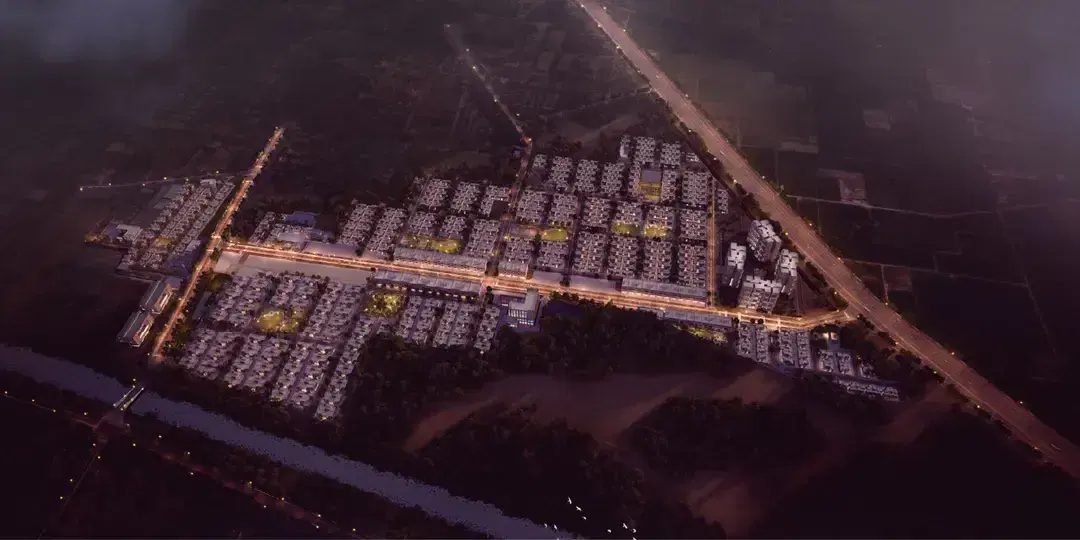
A Township Inspired by the Seven Chakras: A Life in Balance
As cities expand and lifestyles accelerate, residential planning is being challenged to balance physical comfort, mental clarity, and social continuity within everyday living.
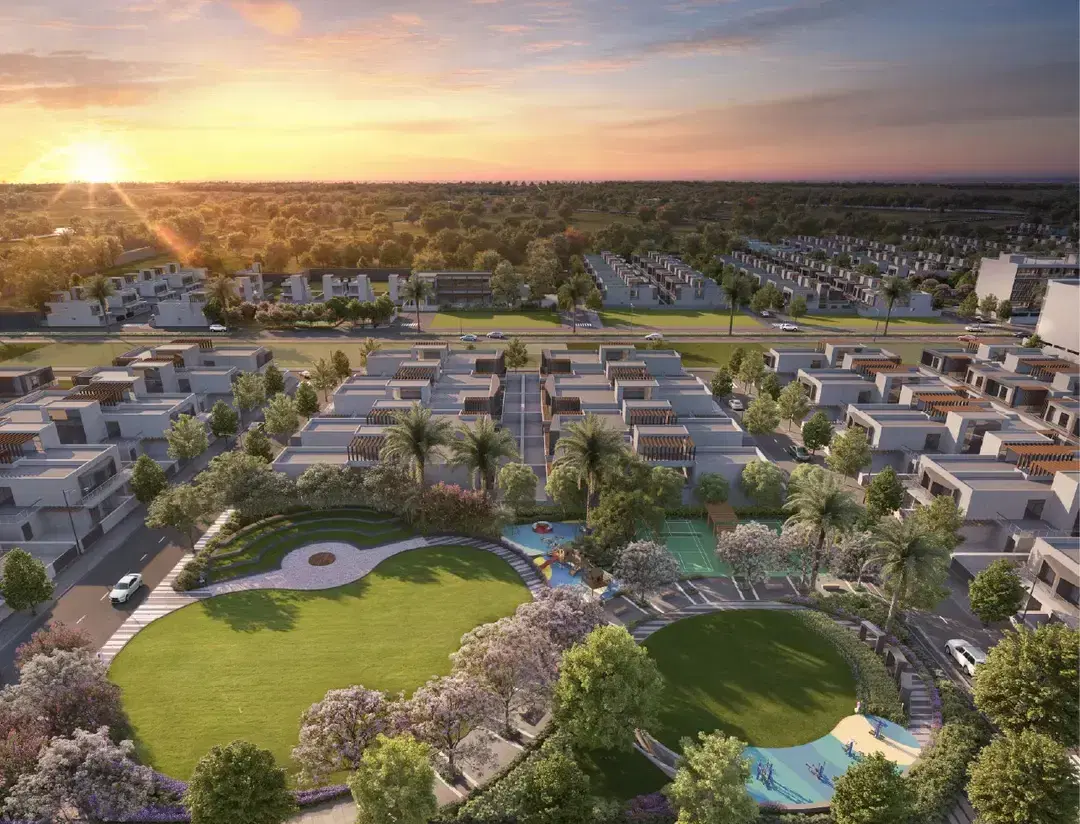
Trident Parktown: Where Nature, Nurture & Community Unite
A conscious departure from high-density urban living, Trident Parktown is shaped by a three-leaf philosophy that brings nature, nurture, and community together into a balanced way of life.
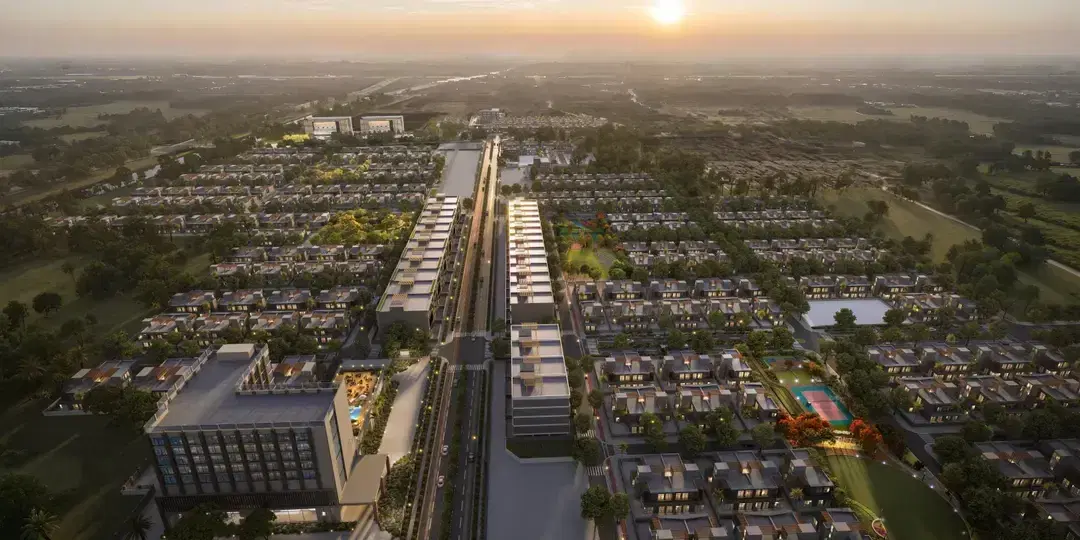
The Weight of a Promise: Trident Parktown is Now RERA Approved
In the world of real estate, a project begins long before the first brick is laid. It begins with a promise. For the discerning homebuyer, that promise is a complex tapestry woven from architectural vision, lifestyle aspirations, and—most importantly—trust.

PROJECTS
Site Office
Trident Parktown,
Village Nizampur & Azizullapur,
Sector 19A & 40, Panipat, Haryana 132104
Corporate Office
Trident Realty,
16th Floor, DLF Square, DLF Phase-II, Jacaranda Marg
Gurugram-122002, Haryana (India)
© TRIDENT PARKTOWN PVT LIMITED, 2026 All rights reserved
The Developer has availed a construction loan from IndusInd Bank Ltd. (‘IBL’), and has mortgaged project land admeasuring 59.77084 acres and any structures built thereon to such lender, where necessary No Objection Certificates (NOCs) shall be provided by IBL, as per requirement.
Carefully Crafted By

PROJECTS
MEDIA CENTER


Site Office
Trident Parktown, Village Nizampur & Azizullapur, Sector 19A & 40, Panipat, Haryana 132104

Corporate Office
Trident Realty, 16th Floor, DLF Square, DLF Phase-II, Jacaranda Marg Gurugram-122002, Haryana (India)
© TRIDENT PARKTOWN PVT LIMITED, 2026 All rights reserved
The Developer has availed a construction loan from IndusInd Bank Ltd. (‘IBL’), and has mortgaged project land admeasuring 59.77084 acres and any structures built thereon to such lender, where necessary No Objection Certificates (NOCs) shall be provided by IBL, as per requirement.
Carefully Crafted By